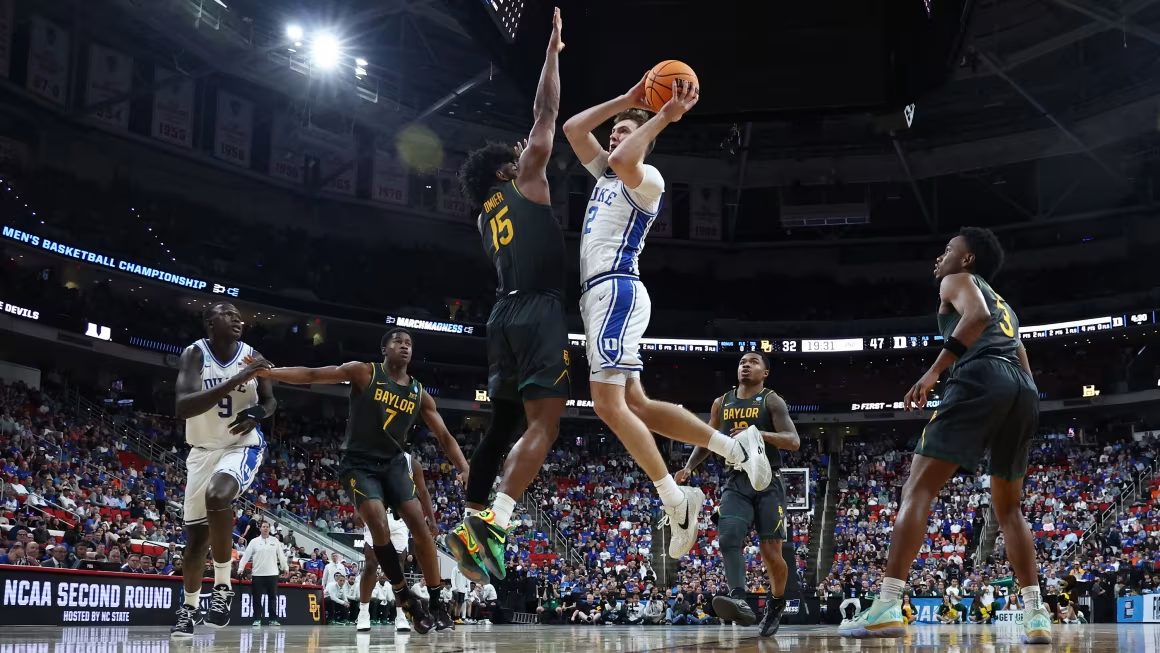
The transfer portal has drastically changed the landscape of college basketball, affecting players and fans alike. Just this offseason alone, about 35 to 40 percent of players entered the transferred portal. Once a sport built on program loyalty and identity is now a sport defined by continuous movement. For example, every year a team typically loses about five players, which is almost half their roster. Given the role of the portal, athletes are constantly on the move, looking for better opportunities.
The transfer portal, created in 2018 to give athletes more freedom and flexibility, allows players to leave their current school for a desired school they get offered by. In the past, athletes were only given one transfer for their career. It was not until 2024 that the NCAA allowed athletes unlimited transfers. Since then, player use of the transfer portal has increased, reaching all time highs every season. This rule change set the stage for a dramatic rise in player movement.
This year, the portal opened on Apr. 7 and closed on Apr. 21. Players can either return to their school, declare for the draft, or transfer to a new school.
According to an ESPN article by Jeff Borzello, many college coaches expect the number of players in the portal to increase beyond 3,000, up from around 2,700 last year and 2,100 in 2021. This shows the quick increase in the popularity of the portal.
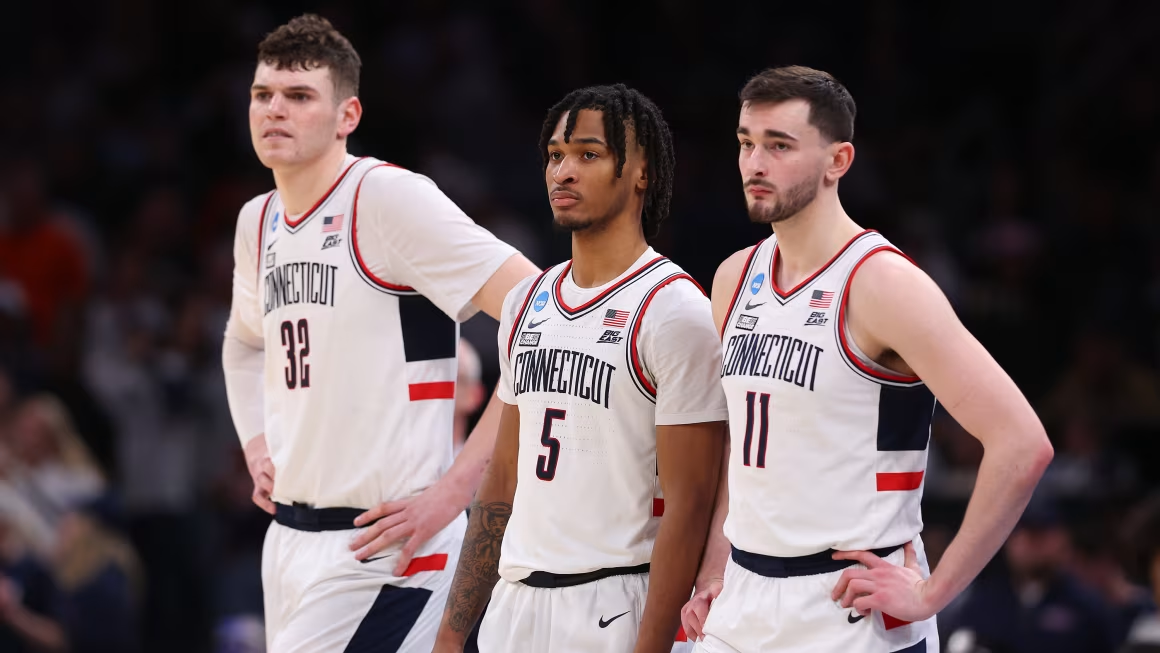
Two-Time National Champion coach Dan Hurley is adapting to the current game by using the transfer portal.
“The transfer portal is absolutely changing the landscape of college basketball.” Hurley said. “You have to adapt or die.”
As the number of transfers rises, coaches like Hurley are forced to rethink how they build teams. This past year, clashes between program identities were evident throughout the regular season and in March Madness. Old-school coaches known for their tough culture and ability to retain players from freshman to graduation year, such as Tom Izzo, Kelvin Sampson, and many others, were challenged by having to play teams built mostly on transfer players.
“The transfer portal is way worse than NIL (Name, Image, and Likeness). What the transfer portal does is gives a lot of middlemen a chance to come in.” Izzo said. “What I think is bothering me and my sport the most is the way people are tampering with people throughout the year.”
Izzo’s Michigan State team was one of the few in March Madness this year with very few transfers, and a starting five made up of developed players who had been with the program for at least two seasons. Izzo’s style promotes team chemistry and player development over transfer players, proving that you do not need the portal to win.
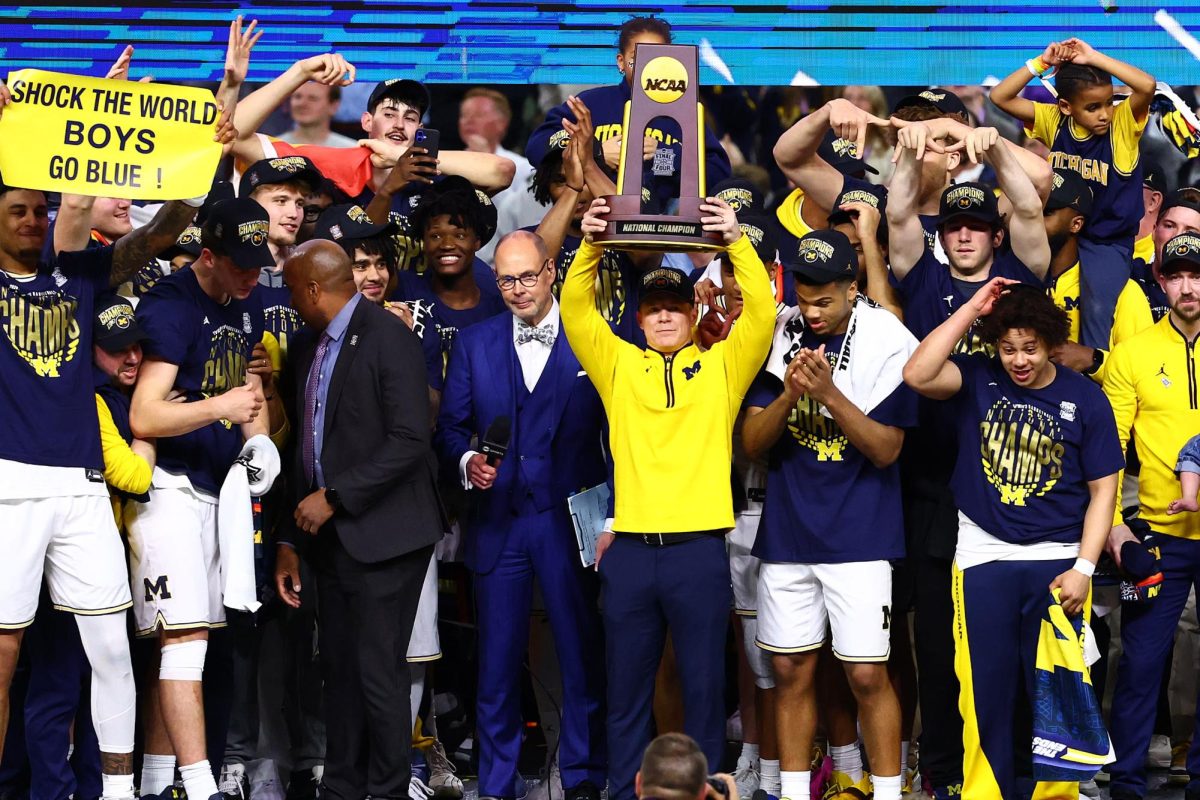
In contrast, some programs have fully embraced the new landscape of college basketball. The Michigan Wolverines found a way to use the portal positively by finding the right pieces. With a large amount of NIL and resources, Michigan was able to convince many huge transfer players to play for them. To build their roster, Michigan spent around $10 million in NIL this past year, which ranked as one of the top along with Duke and Kentucky, other high major programs. Compared to Michigan State, Michigan had a starting lineup built entirely of transfers, without a single player starting their career at Michigan. Michigan dominated opponents all year long, going a ridiculous 37-3 on their way to a national championship. Despite losing a school-record 24 games only two years prior, Michigan bounced back with help from the transfer portal.
Key players from the portal included Yaxel Lendeborg from UAB, Aday Mara from UCLA, and Elliot Cadeau from the University of North Carolina. Lendeborg led with 15 points and seven rebounds on average, while Mara put up 12 points and nearly three blocks per game on average. Cadeau averaged 11 points per game and six assists on the season.
Lendeborg talked about his journey after entering the portal before choosing Michigan, and how he turned down at least seven million dollars from one school.
“What if I mess up my career because I chased the money instead of a future.” Lendeborg said. “Another big reason why I went with Michigan head coach Dusty May was he didn’t talk about money at all. It was all about making me better and helping me achieve my goals.”
Overall, the transfer portal has had a major impact on college basketball and will continue to grow. It will be interesting to see how mid-major programs react to the portal, and if teams will try to replicate what Michigan did.
Fans look forward to watching new players on new teams later this year, as the college basketball season will kick off in early November of 2026.