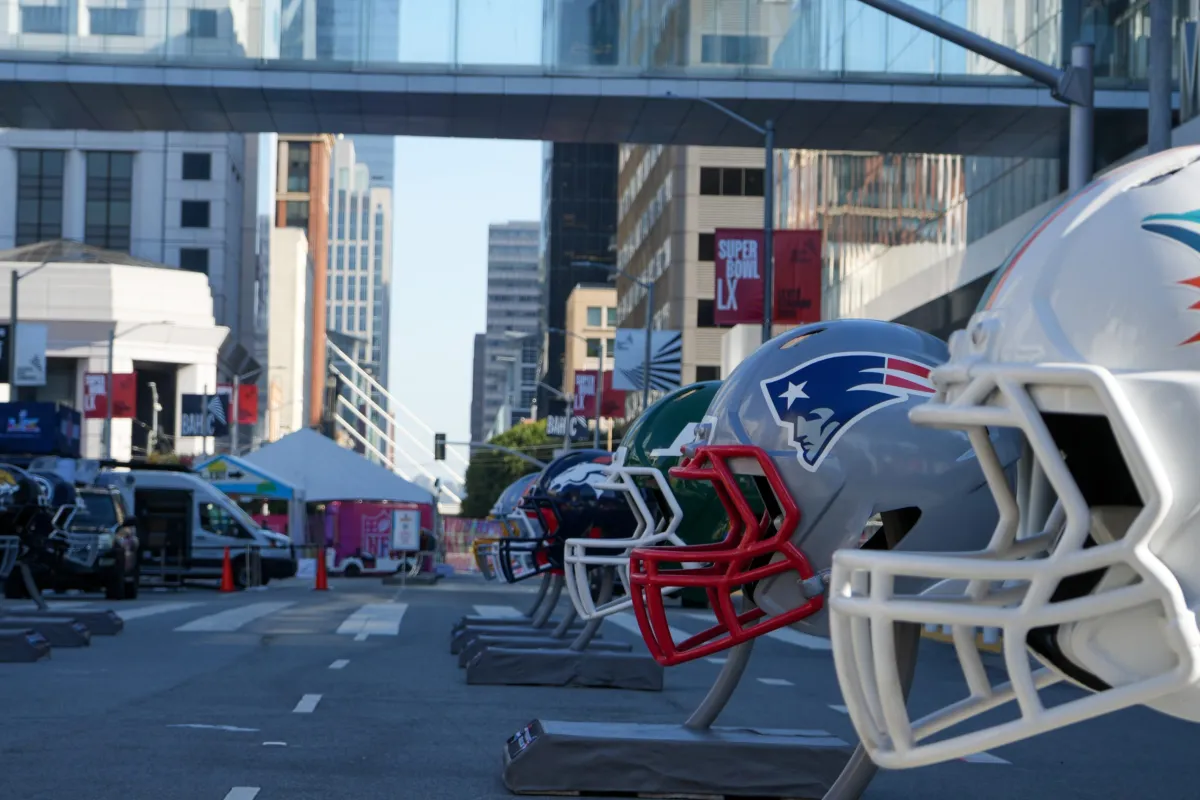
On Feb. 8, 2026, San Francisco hosted Super Bowl 60 at Levi’s Stadium in Santa Clara. San Francisco became the epicenter of the weeklong celebration around the biggest single-day sports event in the United States. The Super Bowl brought more to the city than just football; it turned the city into a hub of entertainment, tourism, and global attention.
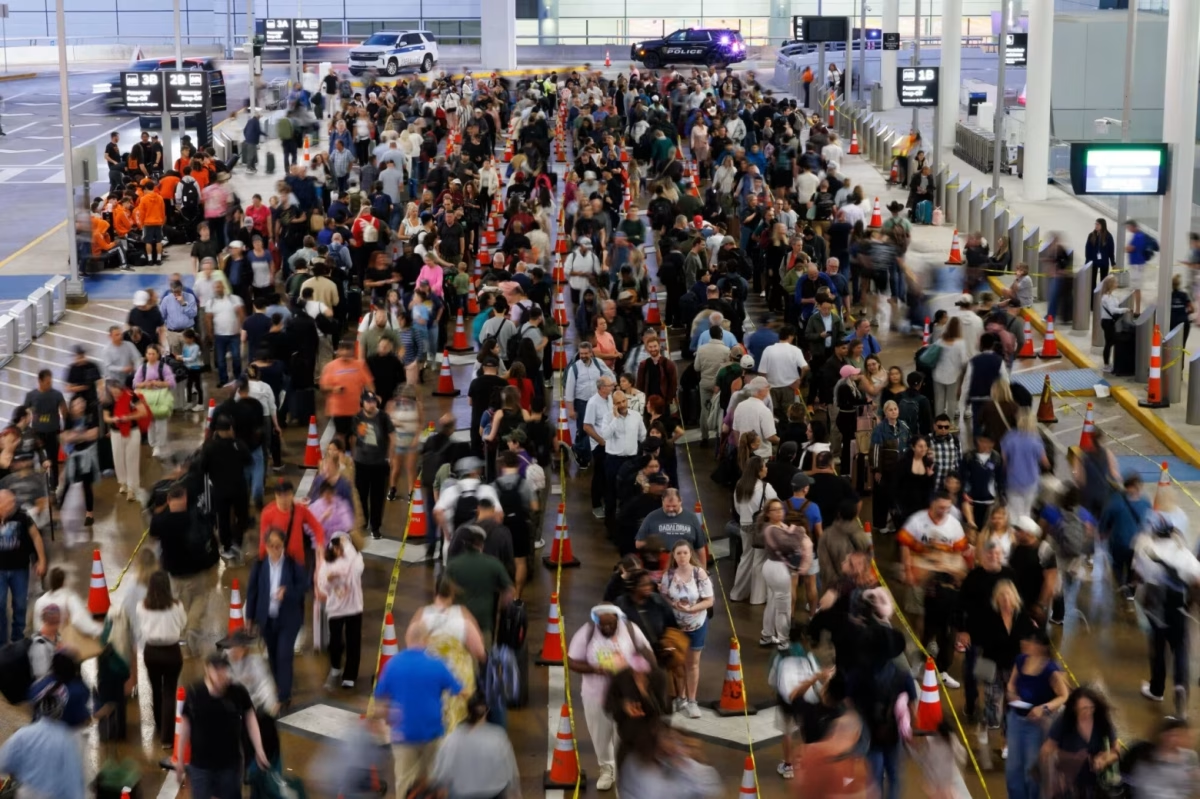
The game itself brought tens of thousands of fans to Levi’s Stadium on the days leading up to the game, and hundreds of thousands of people flocked to San Francisco for pregame events. According to official reports from the Super Bowl Host Committee, about 1.1 million people, residents and visitors combined, visited “Super Bowl City” and other NFL-organized activities in downtown San Francisco over the course of the week leading up to kickoff.
From Thursday to Super Bowl Sunday, visitors could find a plethora of entertainment. This included the NFL Experience, with performances by Benson Boone, Noah Kahan, Calvin Harris, Dave Chappelle, and Post Malone.
“It was legendary, Sonny Fodera and Diplo opened for him (Calvin Harris), his songs and remixes were so good, and the venue was run well,” senior Will Lincoln said.
“The NFL experience was a cool idea, but I think it could have been run better. The event was held at the Moscone Center, and it allowed NFL fans to have the NFL experience. People could kick field goals, try strength and conditioning tests, and do other stuff. I felt like all of the things that were offered there could have been done here (Miramonte), and the lines to these things were way too long. But it was sick to see a bunch of NFL players like Kirk Cousins, Frank Gore, and Zay Flowers and a bunch of NFL artifacts and merch,” senior Charlie Metherd said.
Economists and civic leaders measured the impact of those events in dollars and data. A Levi’s independent economic study found that Super Bowl 60 and its associated activities delivered at least $240 million in economic impact to the Bay Area region, with over 57% of that go towards San Francisco itself through tourism, spending, and business activity. City Controller’s report showed that, after counting revenues and city costs, San Francisco accumulated approximately $2 million in net surplus with $11.6 million in new revenue from hotel and sales taxes, permit fees, airport taxes, and parking, compared to about $9.6 million in related costs for city services and staffing.
The Super Bowl’s effect wasn’t only financial. According to the same Levi’s independent economic study as seen above, the Host Committee and the NFL’s Philanthropic Arm raised more than $13 million for local Bay Area youth-serving nonprofits, making this one of the most charitable Super Bowls in history. Smaller local firms, including minority-owned, women-owned, LGBT-owned, and veteran-owned businesses, also secured significant contracts connected to Super Bowl events, drawing $6.6 million in direct business from Host Committee contracts.
However, the Super Bowl’s legacy in San Francisco wasn’t without controversy. Some critics argued that the event’s benefits were overstated or unevenly distributed. A few city officials and economists pointed out that, while tax revenue increased, the law enforcement, transit, and emergency staffing required to support such a massive event came with steep price tags and logistical challenges.
“I went to Dave Chappelle and the NFL experience during the weekend, and it was really cool to see the city (San Francisco) so active. I definitely appreciate the events that the Super Bowl brought,” senior Andrew Bjornson said.